Designing to the Dunes: Building Near the CCCL
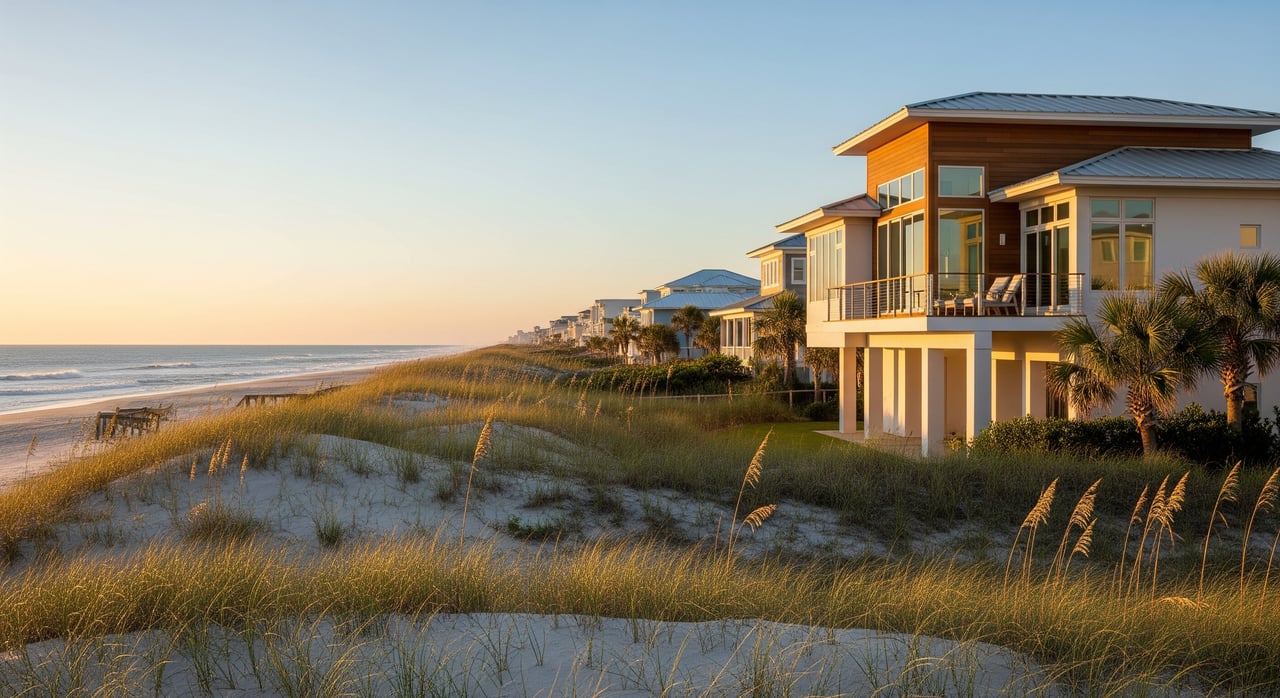
Building next to the dunes in Paradise by the Sea sounds like a dream. The reality is that one invisible line shapes every decision: Florida’s Coastal Construction Control Line. If you want the views, rental potential, and long-term value without surprises, you need to understand how the CCCL affects design, permits, and resale. This guide breaks it down in clear steps so you can move forward with confidence. Let’s dive in.
The Coastal Construction Control Line is a state program that protects the beach and dune system from major storm impacts. If your project sits seaward of the line, special siting and structural standards apply to safeguard dunes, neighboring properties, public access, and sea turtles. You can view the line for any parcel using DEP’s Map Direct tool and get official guidance on siting, storm elevation, and dune protection in DEP’s CCCL publications. For quick reference, start with the locator and guidance below:
Florida law requires a coastal-property disclosure if a parcel lies partially or fully seaward of the CCCL. Under §161.57, the seller must provide a CCCL affidavit or a survey unless the buyer waives it. That disclosure often affects timelines, negotiations, and due diligence for Paradise by the Sea transactions. Read the requirement here: Florida Statute §161.57.
Before you design or write an offer, confirm the line.
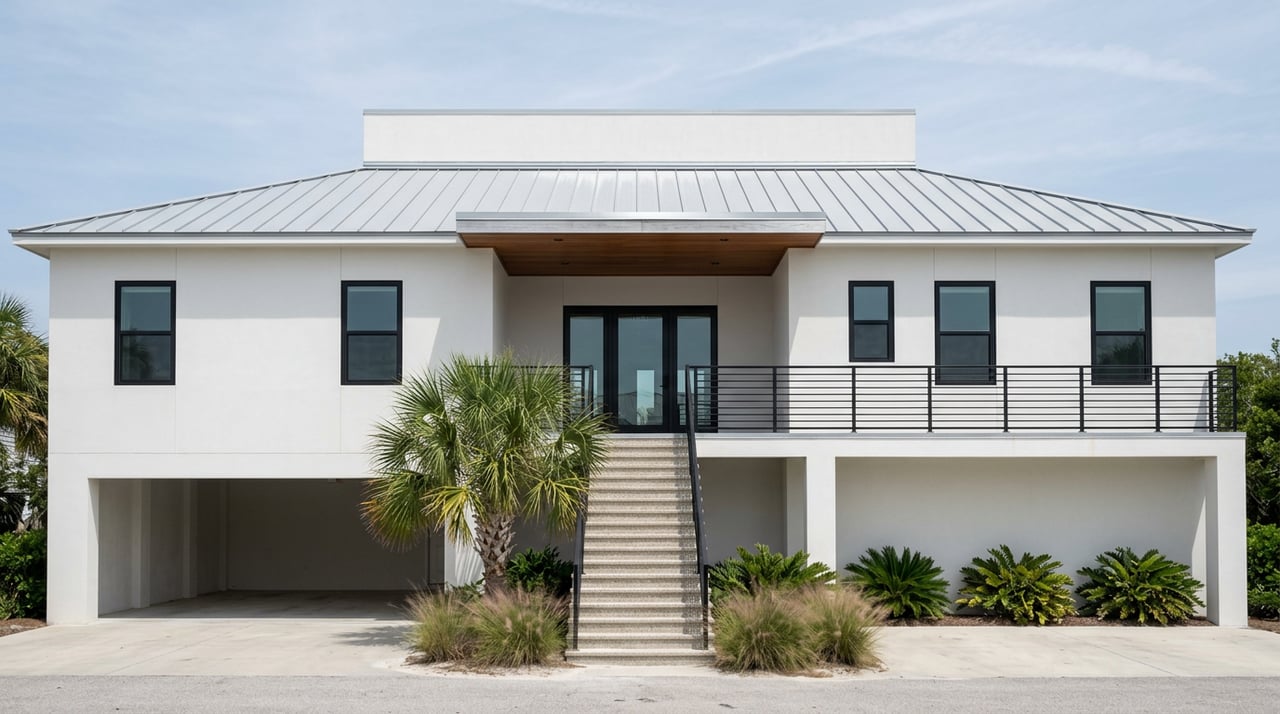
Projects seaward of the CCCL are reviewed for 100-year storm conditions, which can mean higher elevation and stronger foundations than typical code minimums. These strategies tend to permit faster and perform better:
You may not need a state permit for every repair, but new builds and many renovations seaward of the CCCL do require DEP review.
Low-impact work that is landward of active dunes may qualify for a streamlined general permit with roughly a 30-day process. Confirm eligibility and forms on DEP’s CCCL application page.
Seaward or complex projects typically require an individual permit with coastal engineering, surveys, dune plans, and 100-year storm elevation calculations. Expect review cycles and requests for more information, and plan for several months. Start here: Apply for a CCCL permit.
After storms, DEP can issue emergency authorizations for stabilization and recovery. See the pathway and conditions: CCCL emergency permitting.
Note: A CCCL permit does not replace local building or zoning permits, or any federal approvals that might be needed. You must obtain all applicable permits before work begins.
Protecting dunes and wildlife is part of getting approved and staying compliant.
Unauthorized work seaward of the CCCL can trigger stop-work orders, removal requirements, civil fines, and even liens for cost recovery under Chapter 161. Review the enforcement framework: Florida Statutes Chapter 161. Sea turtles are protected under state law, and harming turtles, nests, or eggs can bring serious civil and criminal penalties: Marine Turtle Protection Act.
Use this to plan your next move with fewer surprises.
Buyers
Sellers
For permit questions, start with DEP’s local reviewer list for Okaloosa and neighboring Gulf counties: CCCL permit managers. For dune projects and local nesting-season coordination, county coastal resources staff and community turtle patrol programs are active partners.
Designing to the dunes is absolutely possible when you plan early, choose permit-friendly construction, and follow turtle-safe practices. If you are buying, selling, or preparing a new build in Paradise by the Sea, we can help you map the CCCL, time your due diligence, and align your design with what DEP approves. For local guidance backed by multi-generational expertise on the Emerald Coast, connect with Abbott Martin Group.
It is essential to love the people you work with, and that indeed is the case within our team, where culture comes first. At Abbott Martin Group, we celebrate success and pick each other up when needed. A strong culture is vital to having a healthy work environment. We focus on creating a positive impact for our families and the customers we serve. The Emerald Coast is an environment of healing; we are always here for each other.
Stay up to date on the latest real estate trends.

September 17, 2026
What to Expect at Every Stage of Listing Your Property on the Emerald Coast.

September 17, 2026
Why More Miramar Beach Properties Are Changing Hands Before They Ever Reach the MLS.
September 17, 2026
September 17, 2026
September 10, 2026
September 3, 2026
We pride ourselves in providing personalized solutions that bring our real estate clients in Miramar Beach closer to their dream properties and enhance their long-term wealth. Contact us today to find out how we can assist you!